
Land Surveyors and the Hidden Easements Buyers Often Miss
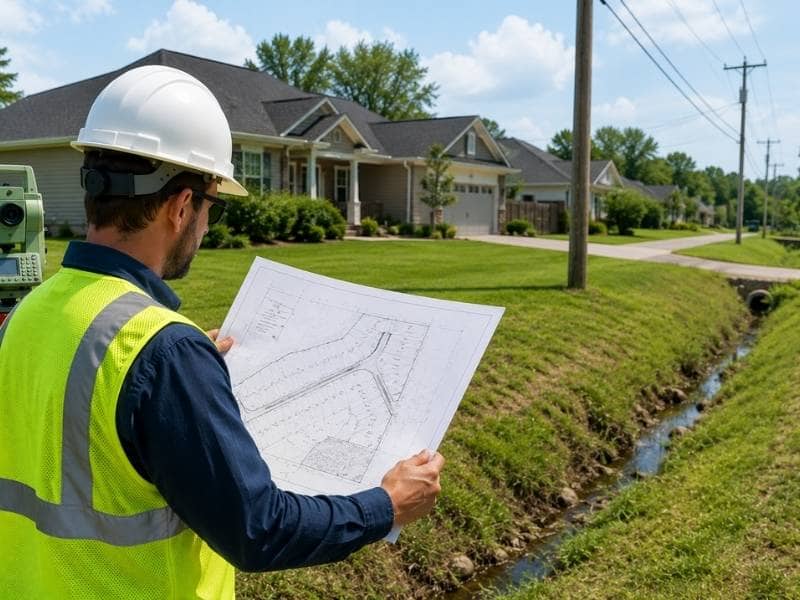
Buying property feels like the finish line. You sign the papers, get the keys, and start making plans. Then a utility crew shows up and starts digging through your backyard. Nobody told you about that easement. That kind of surprise happens more often than buyers expect, and land surveyors are often the professionals who uncover these hidden property issues before closing.
Easements are legal rights that let someone else use part of your property for a specific purpose. They do not disappear when ownership changes. When you buy a property, you also take on any easements attached to the land, whether they involve utility companies, neighboring properties, or local governments. Identifying these rights before a purchase is one of the many reasons buyers rely on land surveyors during the due diligence process.
What Hidden Easements Are and Why They Matter
A hidden easement is a legal right connected to a property that limits how the owner can use part of it. It can affect where you build, how you get to your lot, and what changes you can make, even when nothing looks wrong during a visit.
Easements come in different types. Some give utility companies the right to run power lines or pipes across your land. Others let a neighbor cross your property to reach theirs. Drainage easements let water move through a set area of land. Conservation easements limit what you can build on certain parts of a property.
The word “hidden” doesn’t mean anything illegal. It just means most easements don’t show up during a simple walkthrough. They’re written in old deeds, listed in title papers most buyers never read, or shown on old maps. Some aren’t written down at all and only show up when someone looks closely at the land in person.
Once you own the property, the easement is your problem. Put up a fence across a utility path and the utility company can take it down. Block a neighbor’s legal route and you could end up in a legal fight. The land is yours, but those rights belong to someone else.
How Land Surveyors Find Easements Through Records and Field Work
Land surveyors find easements by looking through documents and walking the property. This helps them find both written easements in county records and unwritten ones that only show up through signs on the ground.
A land survey is about more than measuring the edges of a lot. The surveyor looks through deeds, title papers, recorded maps, and county records. Sometimes they go back many decades to understand the full history of the property.
They also look for clues outside. A cleared path through a wooded area often marks a utility route. An old dirt road crossing a lot may show where people have long had the right to pass through. Manholes, drain covers, and pipes in the ground can point to underground systems that come with easements.
When surveyors put together what they find in the records and what they see outside, they locate easements that most buyers would never notice. Those easements then show up on the survey map with measurements and notes that show exactly where they are on the property.
Common Utility and Drainage Easements Buyers Often Miss
Utility and drainage easements are the ones buyers miss most often. Both are hard to see during a normal property visit, but both can limit where you can put buildings and other structures.
Utility easements are the most common type. Power lines, gas pipes, water lines, and sewer pipes all need easements to cross private land. Just because you can’t see them doesn’t mean the easement isn’t there. Underground pipes are just as real as overhead wires.
Drainage easements are another surprise. A local stormwater system may send water through a low part of your lot. That area may look like a plain stretch of grass, but you often can’t build on it. Putting up a shed, a deck, or a wall in that zone can break the easement rules and lead to a removal order.
In rural areas, you might also find easements for phone lines, water systems, or septic fields that serve a neighbor’s property. None of these are easy to spot from the road.
How Shared Driveways and Access Rights Can Cause Problems
Shared driveway and access easements can lead to fights over costs, rules, and changes. Buyers who don’t find these agreements before closing often end up dealing with old conflicts between neighbors.
A shared driveway between two homes sounds easy enough until the neighbors can’t agree on who pays for fixes or whether one side can put up a gate. Private road easements work the same way. A home at the end of a private lane may have the legal right to cross several other properties. Each landowner in that line has rights and duties.
Some access agreements give both sides certain rights over each other’s land. These are sometimes only written in old records and may not match how the land is actually being used today. A surveyor can show where these paths fall on the property, but figuring out the legal details still takes a real estate lawyer.
Why Finding Easements Early Saves You Money and Trouble
Finding easements before you close on a property helps you avoid building conflicts, access fights, and costly fixes later. A boundary survey or ALTA/NSPS Land Title Survey is the best way to find easement problems before they turn into legal ones.
A survey before closing costs much less than a legal dispute after. Once you own the property, fixing an easement problem takes time, lawyer fees, and sometimes tearing down things you already paid to build.
Finding easements early also helps you make a smarter decision. If a utility path runs through where you want to build, you know that before you commit to buying. If a drainage easement takes up a big chunk of the backyard, that changes what the property is worth to you.
Real estate deals move fast, and easement research often gets skipped. A boundary survey or ALTA/NSPS Land Title Survey asked for before closing gives you a clear look at all recorded and visible easements on the property.
Frequently Asked Questions
What is an easement in real estate?
An easement is a legal right that lets another party use part of a property for a set reason, such as utilities, access, or drainage. Easements stay with the land and pass to new owners at closing.
Can land surveyors find hidden easements?
Yes. Land surveyors look through county records, title papers, and property maps, and they walk the land in person to find easements that aren’t obvious from a simple visit.
Are all easements written down in public records?
Not always. Some easements aren’t recorded and only show up through physical signs found during a survey.
Can a utility easement stop me from building?
Yes. Utility easements block construction in set areas so workers can get in for repairs. Building in that zone without permission can lead to forced removal.
Do easements affect what a property is worth?
They can. Easements that shrink usable land, block building plans, or limit access can affect how much a property is worth on the market.
Which type of survey helps find easements?
Boundary surveys and ALTA/NSPS Land Title Surveys are the most thorough options. Both are designed to show easements and other issues that affect property ownership and use.