
Why Homeowners Should Check Elevation Certificates Before Storm Season
What an Elevation Certificate Tells You About Flood Risk
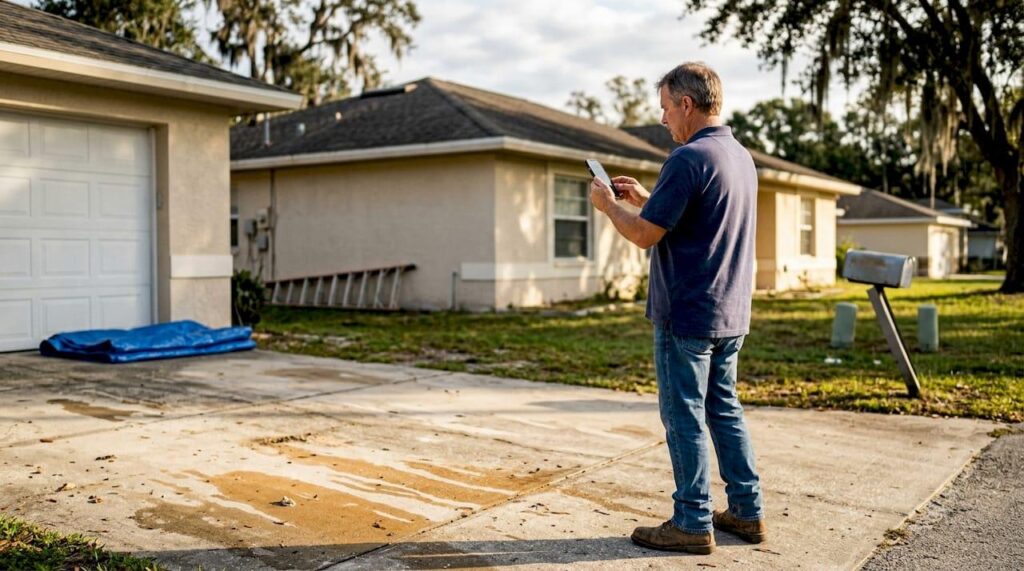
An elevation certificate shows how high a home sits compared to the expected flood level in the area. Insurance companies, lenders, and local offices use this document to review flood risk, insurance rates, and some building permits.
Many homeowners never look at this paperwork until heavy rain causes a problem. That delay can lead to higher insurance costs, confusion during home sales, or flood damage that catches people off guard.
Storm season puts extra pressure on homes and drainage systems. A current elevation certificate helps homeowners understand possible flood risks before severe weather arrives.
Storm season can create problems fast. Heavy rain can flood streets, yards, garages, and homes within hours. Many people think flood damage only happens near beaches or large rivers. That belief causes trouble every year.
Flooding can happen in almost any neighborhood after a strong storm.
Water moves quickly during heavy rain. Ditches overflow. Storm drains back up. Low spots in a yard may start holding water for days. Some homeowners do not notice drainage problems until they see water moving toward the house.
That is why elevation certificates matter before storm season starts.
What Is an Elevation Certificate?
An elevation certificate is a document based on property elevation measurements. It shows how the structure compares to the local flood level used by FEMA and flood insurance companies.
The certificate may include:
- The property flood zone
- The elevation of the home
- Lowest floor height
- Garage elevation
- Utility equipment elevation
- FEMA flood map details
These measurements help determine flood insurance costs.
Even a small change in elevation can affect insurance rates. Some homeowners pay more than necessary because their records are outdated. Others discover they may qualify for lower flood insurance costs after getting updated elevation data.
Why Storm Season Brings More Attention to Elevation Problems
Small drainage issues often stay hidden during dry weather. Heavy rain changes everything.
After a storm, homeowners may notice:
- Water collecting near the foundation
- Flooded driveways
- Wet crawl spaces
- Standing water in the yard
- Water flowing toward the house
These problems often connect to elevation or drainage conditions on the property.
Flood maps can also change over time. New construction nearby may affect drainage patterns too. Roads, parking lots, and new neighborhoods can change how water moves through an area after heavy rain.
A property that looked safe years ago may face different flood conditions today.
Why Insurance Companies Want Accurate Elevation Data
Flood insurance companies rely on elevation information when they estimate flood risk.
If the records are outdated or inaccurate, homeowners may pay higher premiums. Some people do not realize this until they review their elevation certificate years later.
Others find out during policy renewals.
That creates stress during storm season because survey companies often receive more requests after major storms move through an area.
Checking elevation records early gives homeowners more time to handle updates before bad weather arrives.
An Elevation Certificate Can Help During a Home Sale
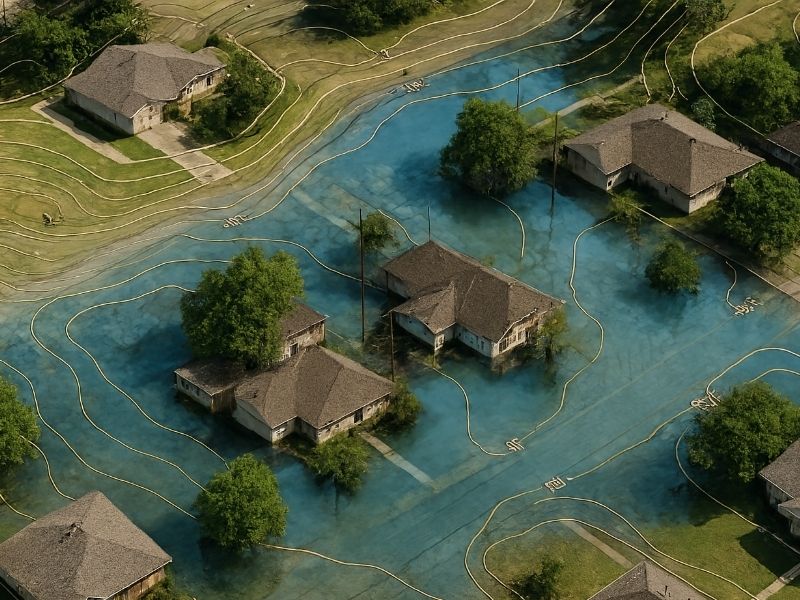
Flood questions can delay a home sale very quickly.
Buyers want clear answers about flood risk. Lenders often request flood documents before approving financing. Insurance companies may also ask for elevation information before issuing coverage.
Without a current elevation certificate, delays can happen.
Some buyers become nervous when flood information looks incomplete. Others worry about future insurance costs. This happens more often after large storms because buyers pay closer attention to flood issues.
A current elevation certificate can help remove confusion during the buying and selling process.
Older Elevation Certificates May No Longer Match Current Conditions
Many homeowners assume an old elevation certificate stays accurate forever. That assumption causes problems.
Flood zones can change over time. Nearby grading work may change drainage patterns. New development in the area can also affect how water moves during storms.
An older certificate may no longer reflect current conditions on the property.
That is one reason many homeowners review their elevation records before storm season starts.
A licensed surveyor can help determine whether the existing certificate still matches the property accurately.
Small Elevation Differences Can Create Expensive Repairs
Many people picture flooding as several feet of water inside the home. Real flood damage often starts much earlier.
Water entering a garage or crawl space can still create major repair costs. HVAC systems, electrical equipment, and flooring can suffer damage quickly after flooding begins. Mold can also spread fast after water enters the structure.
Even one or two feet of elevation difference can affect:
- Flood insurance rates
- Property value
- Drainage performance
- Building permit requirements
- Future construction plans
That is why elevation information matters so much for homeowners.
Storm Preparation Should Include Property Documents
Most homeowners prepare for storms by buying supplies, trimming trees, or clearing gutters. Those tasks help, but property records matter too.
An elevation certificate gives homeowners a clearer understanding of possible flood risk before severe weather arrives.
It can also help prevent surprises with lenders or insurance companies during storm season.
Nobody wants to search for flood documents while watching heavy rain move toward the neighborhood.
Checking these records early makes storm preparation easier.
Why Many Homeowners Wait Too Long
A lot of homeowners ignore flood risk until they see standing water near the house.
That happens all the time after strong storms.
People often assume flooding will never affect their property. Then one storm changes everything. Water starts collecting in places that never flooded before. Insurance questions suddenly become urgent.
Waiting too long can also create scheduling problems. Survey companies become busier during storm season, especially after flood warnings or large storms.
Reviewing elevation records early gives homeowners more time to ask questions, update documents, and prepare for possible flood issues before severe weather arrives.
Check Before the Storms Arrive
Storm season can create expensive problems for homeowners. Flooding can damage homes quickly, even in areas that rarely flood.
An elevation certificate helps explain how a property compares to local flood levels. It can affect insurance costs, drainage concerns, home sales, and future building plans.
Many homeowners do not review this document until flood problems begin. That delay often creates more stress and confusion.
Checking an elevation certificate before storm season gives homeowners a better understanding of their property and helps them prepare before heavy rain becomes a serious problem.