
How Easements Can Affect Your Building Plans
When planning your building project, easements might not be the first thing on your mind, but they can have a substantial impact on what you can and can’t do. These legal rights can restrict your land use, affecting everything from property design to construction choices. If you don’t recognize these easements early, you could face costly setbacks. Let’s explore how acknowledging these factors can streamline your development process.
What’s the Deal With Easements?
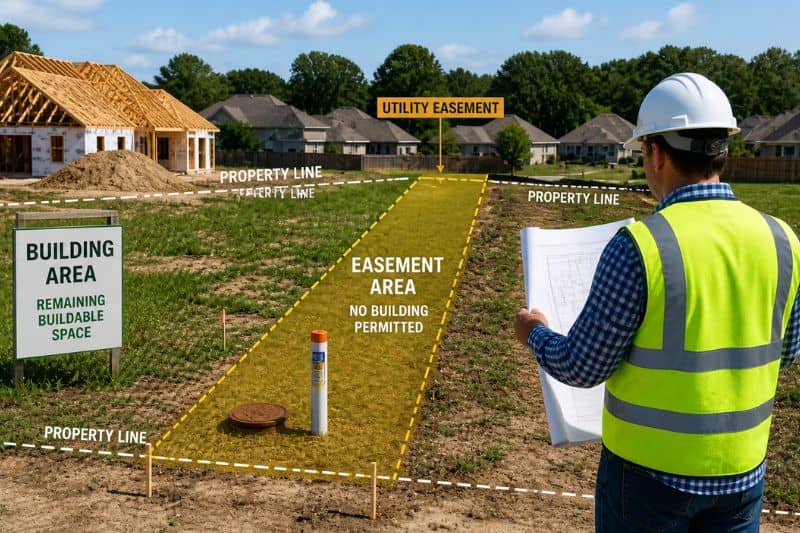
Easements are crucial elements in property law that often go unnoticed but can significantly affect how you use your land. Essentially, an easement is a legal right to use another person’s land for a specific purpose, such as accessing a road or utility lines.
Understanding easement definitions is vital because they come in various forms, including easements by necessity, express, and implied. Each type carries different legal implications that can impact your property’s functionality.
For instance, if you plan to build, existing easements might limit your construction options or require modifications to your design.
Easements: Effects on Property Use and Design
While you mightn’t always think about easements when planning property improvements, they can significantly shape how you design and use your land. Understanding the easement implications is crucial, as they can limit your property rights in certain areas.
For instance, a right-of-way easement may restrict where you can place structures, landscaping, or fences. This means you’ll need to consider these boundaries carefully in your design plans.
Additionally, if you’re unaware of existing easements, you could inadvertently infringe on someone else’s rights, leading to potential disputes.
Ultimately, acknowledging these factors early on helps ensure that your building plans align with both your goals and legal obligations, avoiding any surprises down the line.
What Types of Easements Could Affect Your Construction?
Have you considered how different types of easements could impact your construction plans? Access rights are a critical factor; they allow others to pass through your property. If your plans interfere with these rights, you might face legal issues or delays.
Utility easements, on the other hand, grant service providers the space needed to install and maintain infrastructure like power lines or water pipes. These easements can restrict where and how you build, often requiring setbacks or specific designs to avoid conflicts.
Understanding these easements is essential to ensure your construction keeps everything running smoothly. Always check for any existing easements on your property before diving into your building project to avoid costly surprises.
Essential Steps for Addressing Existing Easements
Addressing existing easements is crucial for any construction project, and following a few essential steps can help you navigate potential challenges.
First, review the easement documents to understand their scope and terms. Identifying any legal easement implications will inform your decisions moving forward.
Next, engage with the easement holder; using effective easement negotiation strategies can lead to mutually beneficial agreements. Don’t be afraid to propose adjustments or alternatives that could alleviate conflicts.
Consulting with a legal expert familiar with easements is also vital to ensure compliance and mitigate risks.
Finally, keep thorough records of all communications and agreements, as this documentation will be invaluable if future disputes arise.
Tips for Navigating Easements During the Development Process
Once you’ve addressed existing easements, it’s important to navigate them carefully throughout the development process.
Start by thoroughly reviewing easement implications to ensure compliance with local laws and regulations. Keep clear communication with easement holders; their concerns can help avoid future conflicts.
When planning property access, consider how easements influence traffic flow and utilities. Engage with knowledgeable professionals, such as land surveyors or property lawyers, to help interpret easement agreements accurately.
Document everything to create a solid record of your development plans that respects existing easements. This proactive approach not only minimizes risks but also leads to smoother development, saving you time, money, and potential legal headaches down the line.
Stay informed and adaptable as you move forward.
Frequently Asked Questions
How Can I Find Existing Easements on My Property?
To find existing easements on your property, check public records at your local courthouse or online databases. Review property deeds and surveys, noting easement types that might affect your property rights and future plans.
Can Easements Be Legally Removed or Altered?
Yes, easements can be legally removed or altered through easement modification. However, you might face legal challenges, so it’s vital to consult a lawyer to navigate the complexities involved and ensure your rights are protected.
What’s the Difference Between Public and Private Easements?
Public easements allow general public access, while private easements grant specific individuals or entities certain property rights. Understanding this distinction helps you navigate property usage and potential impacts on your building plans and development choices.
Do Easements Affect Property Value?
Yes, easements can affect property value. Depending on easement types, they might impose property restrictions that limit use or accessibility, which could discourage potential buyers, ultimately impacting how much your property’s worth.
How Long Do Easements Typically Last?
Easements typically last until they’re revoked, outlived, or fulfilled. Their duration depends on factors like easement types—some are permanent, while others may be temporary. Always check specific agreements to understand your easement’s timeframe.