
What Delays a Land Survey and How to Avoid It
When managing a land survey, you might encounter various delays that can set your project back significantly. Weather conditions, permitting issues, and equipment malfunctions are just a few common culprits. Understanding these factors is crucial if you want to keep your timeline intact. By identifying potential roadblocks early, you can develop strategies to mitigate them. But what specific proactive measures can you take to ensure smooth operations during your survey?
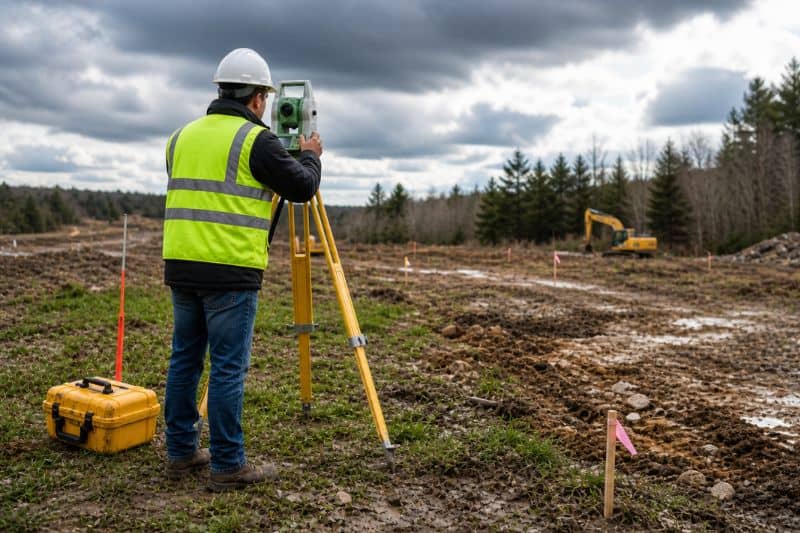
Weather’s Impact on Survey Delays
When weather conditions take a turn for the worse, you might notice delays in land surveys more than you’d think. Heavy rain or snow can make it difficult for surveyors to access locations, often halting work completely.
These seasonal challenges can also result in inaccuracies, causing errors that require rework. Wind and extreme temperatures can affect equipment functionality, leading to additional hold-ups.
You might find that spring and fall, while temperate, often bring unpredictable rain, which can disrupt timelines. Similarly, summer heat can create stress on both equipment and personnel.
To stay on schedule, it’s crucial to plan ahead, keeping these weather-related challenges in mind when setting survey dates. Adjusting your expectations based on prevalent weather conditions can prevent surprises down the line.
How to Overcome Permitting Problems in Land Surveys
To avoid permitting problems in land surveys, you need to identify required permits early in the process.
Communicating with authorities promptly can save you from unexpected delays.

Identify Required Permits Early
Identifying required permits early can save you significant time and headaches in land surveys. Different permit types, whether local, state, or federal, can affect your project’s scope and timeline. You should take the time to pinpoint all necessary permits before starting the survey.
Familiarize yourself with local regulations and guidelines to ensure you’re not missing anything crucial. Each permit has its own application timelines, which can vary considerably. Knowing these timelines helps you plan your project schedule appropriately.
Communicate With Authorities Promptly
Effective communication with authorities is crucial for overcoming permitting problems in land surveys, as delays often stem from misunderstandings or a lack of timely information.
By prioritizing authority engagement, you can establish a clear line of communication that fosters transparency. Don’t wait until the last minute to reach out; early engagement enables you to identify potential roadblocks and address them proactively.
Share your project details, ask questions, and be responsive to their requests for additional information. This dialogue can lead to swift approvals and keep your project on track.
Preventing Equipment Failures During Surveys
To keep your land survey on track, you need to prioritize preventing equipment failures.
Regular maintenance, proper calibration, and having backup gear ready can save you from unexpected delays.
Let’s explore these key practices to ensure everything runs smoothly during your surveys.
Regular Equipment Maintenance Practices
While unexpected equipment failures can disrupt land surveys, implementing regular maintenance practices minimizes these risks significantly. You should schedule regular inspections of your equipment to identify potential issues before they become major problems. These inspections can help ensure that everything’s functioning properly and reduce unexpected downtime during surveys.
Additionally, don’t overlook the importance of equipment upgrades. Staying updated with the latest technology can enhance reliability and efficiency, preventing failures that come from outdated tools. Develop a checklist for maintenance tasks, such as cleaning and lubricating moving parts, and adhere to it.
Proper Calibration Techniques
Calibration is a crucial step in ensuring the accuracy and reliability of your surveying equipment. Regularly checking and adjusting your tools according to established calibration standards can prevent significant errors during a project.
Start by familiarizing yourself with the manufacturer’s guidelines, as these often provide the best practices for calibration intervals. Incorporate precise measurement techniques, using standard reference points that enhance measurement accuracy.
It’s vital to document any calibration processes you perform; this not only helps keep track of adjustments but also provides a valuable resource for future reference. By adhering to these practices, you’ll reduce the likelihood of equipment failures during surveys, ensuring reliable outcomes that save you time and effort.
Proper calibration is key to a successful surveying experience!
Backup Equipment Preparedness
Even with proper calibration techniques in place, equipment failures can still happen during surveys, potentially causing delays and additional costs. To prevent this, you should prepare contingency plans for various equipment types.
Here’s what you can do:
- Identify Critical Equipment: Determine which tools are essential for your survey, such as GPS units and total stations, and prioritize them in your backup strategy.
- Maintain Backup Gear: Invest in reliable backup equipment for each critical type, ensuring it’s calibrated and ready to deploy at a moment’s notice.
- Create an Emergency Kit: Assemble a kit with spare batteries, cables, and any other accessories you might need to quickly address minor equipment failures.
Importance of Complete Documentation for Surveys
Complete documentation is crucial for accurate land surveys, as it ensures that all necessary information is captured and organized.
When you maintain comprehensive records, you’re better equipped to provide the details needed for effective analysis and decision-making.
Proper documentation standards help you avoid misunderstandings and discrepancies that could lead to costly delays. It includes everything from property boundaries and previous surveys to photographs and environmental considerations.
By adhering to these standards, you’ll streamline the entire surveying process, enhancing communication with clients and stakeholders.
Plus, you’ll minimize the risk of needing corrections or re-evaluations later.
In the end, complete documentation not only saves time but also strengthens the credibility of your survey results.
How Terrain and Accessibility Issues Delay Land Surveys?
While surveying land seems straightforward, challenging terrain and accessibility issues can significantly delay the process.
To understand how these factors impact your survey, consider:
- Terrain Challenges: Rocky surfaces, dense vegetation, or steep slopes can hinder equipment movement and surveyor access, extending project timelines.
- Accessibility Barriers: Limited road access or unmaintained paths can make it difficult for survey crews to reach the site, causing further delays.
- Weather Conditions: Poor weather, particularly in rugged areas, can complicate surveys, pushing back schedules as you wait for conditions to improve.
Being aware of these potential delays helps you plan better, ensuring you take proactive measures to mitigate issues related to terrain challenges and accessibility barriers.
Addressing Labor Challenges in Land Surveying
Tackling labor challenges in land surveying requires a strategic approach to attract and retain skilled professionals in a competitive market. One effective way to address this is by implementing robust staffing solutions. This not only fills current vacancies but also prepares for future projects through proactive workforce planning.
Here’s a quick comparison of common staffing strategies:
| Staffing Strategy | Benefits |
|---|---|
| Temporary Hire | Flexibility for projects |
| Permanent Placement | Stability and knowledge retention |
| Internships | Build talent pipeline |
| Recruitment Partnerships | Access to broader talent pool |
Proper project management ensures efficient resource allocation, minimizing delays. By focusing on these strategies, you’ll enhance efficiency and strengthen your team’s capability in the field.
How to Prevent Communication Breakdowns in Surveying?
Effective communication is vital in land surveying, directly impacting project outcomes.
To prevent communication breakdowns, you should focus on the following strategies:
- Set Clear Expectations: Ensure everyone understands their roles and responsibilities. This includes project deadlines and required outcomes.
- Encourage Effective Feedback: Create an environment where team members feel comfortable sharing insights and concerns. Regular check-ins can facilitate this.
- Utilize Technology: Use project management tools and apps to streamline communication and document sharing. This keeps everyone on the same page.
Proactive Strategies for Timely Land Surveys
To ensure land surveys are completed on time, it’s essential to take proactive measures that anticipate potential delays. Start with thorough survey planning—define goals, timelines, and necessary resources upfront. This keeps your project on track from the outset.
Engage stakeholders early in the process; their input can clarify expectations and reduce misunderstandings. Regular check-ins with all parties involved will help you identify issues before they escalate into major delays.
Also, consider local regulations and environmental conditions that might affect your schedule. Being aware of these factors allows for quick adjustments.
Frequently Asked Questions
What Are Common Legal Issues Affecting Land Survey Timelines?
Boundary disputes, property easements, zoning regulations, and title issues often affect land survey timelines. You’ll need to address these legal matters upfront to prevent delays and ensure your survey goes smoothly and efficiently.
How Can Project Scope Changes Lead to Survey Delays?
Project scope changes complicate surveys, creating communication issues among stakeholders. When you adjust project complexity, it can lead to misunderstandings that delay timelines as surveyors must reassess and adapt to new requirements or conditions.
What Role Do Client Expectations Play in Survey Scheduling?
Client expectations shape survey scheduling significantly. By maintaining clear client communication and practicing expectation management, you can prevent misunderstandings and ensure timely project progress, ultimately leading to a smoother survey experience and better results.
How Does Seasonal Activity Influence Land Survey Completion?
Seasonal activity impacts survey completion by affecting weather conditions, vegetation growth, and soil stability. These factors can influence equipment availability, contractor schedules, and permit processing, possibly delaying your land survey if not managed properly.
What Are the Costs Associated With Surveying Delays?
Survey impacts can lead to increased costs due to extended timelines and additional resources. You’ll find that cost estimates may rise significantly, causing potential budget overruns and delaying your overall project completion.