
Common Survey Mistakes That Delay Construction Projects
When you’re managing a construction project, understanding common surveying mistakes is crucial. Inaccurate measurements and reliance on outdated maps can throw off your timelines and budgets. Miscommunication among team members often worsens these issues, leading to even more setbacks. As you navigate these challenges, it’s important to consider the local regulations that play a role. What specific strategies can you implement to prevent these errors and keep your project on track?
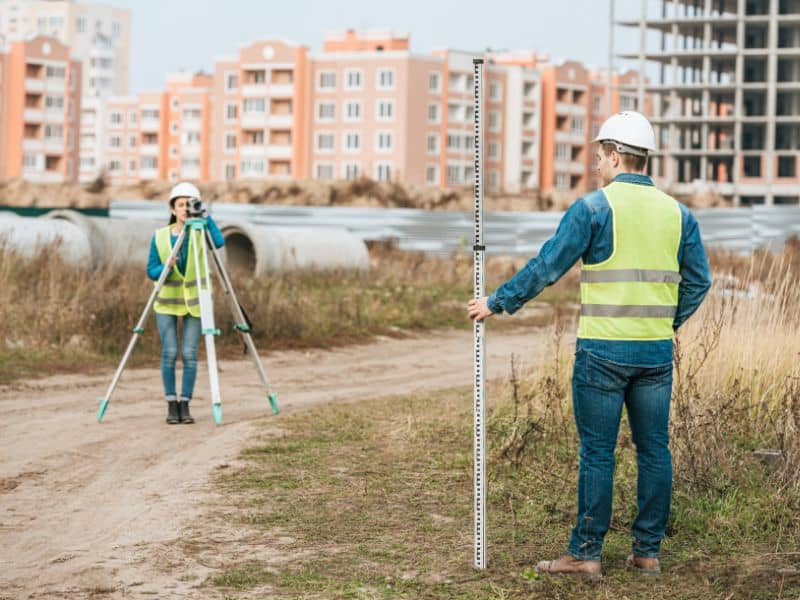
The Importance of Accurate Surveying in Construction
When you embark on a construction project, understanding the importance of accurate surveying can’t be overstated. Accurate surveying is crucial for establishing property boundaries, ensuring your project’s compliance with local zoning laws and minimizing legal disputes.
It helps you assess land features and conditions, allowing you to design buildings that integrate well with the environment. By laying a solid foundation through precise measurements, you reduce the risk of costly rework later on.
Quality surveying ensures you’re on track from the start, keeping your project timeline intact. It also aids in efficient resource allocation, helping you stay within budget.
Ultimately, accurate surveying saves you time and money, making it an essential component of any construction endeavor.
Common Surveying Errors That Cause Delays
Accurate surveying lays the groundwork for successful construction projects in Dothan, but errors can easily derail your timeline.
Common mistakes you might encounter include inaccurate measurements, which can lead to misalignment of structures. Using outdated maps can result in missed property lines or easements, causing legal disputes. Failing to consider local regulations or site conditions may also trigger costly changes down the line.
Additionally, overlooking necessary equipment calibration can produce unreliable data, delaying your project. Without proper documentation of survey results, misunderstandings can arise among team members, causing further setbacks.
How Miscommunication Affects Surveying Projects

While clear communication is essential in any project, it’s particularly crucial in surveying, where precision is key. Miscommunication can lead to incorrect data collection, misinterpretation of survey results, and ultimately costly delays.
For instance, if team members aren’t on the same page about project specs, it can result in surveying errors that require rework. You might find that insufficient clarification of roles leads to duplication of efforts, wasting both time and resources.
Moreover, poor communication with stakeholders can create misunderstandings about project timelines and expectations, further compounding delays.
To avoid these pitfalls, make sure you’re establishing clear channels of communication and encouraging open dialogue among all team members involved in the surveying process. It’s a simple step that can save you a lot of trouble.
Key Local Regulations Impacting Survey Accuracy
Understanding key local regulations is crucial for ensuring survey accuracy, as these rules often dictate the methods and standards you must follow. In Dothan, zoning laws and property line definitions play a significant role in shaping your surveying process. Familiarize yourself with local ordinances that may influence setbacks, easements, or environmental protections.
These regulations can change based on the type of project, so staying informed is essential.
Moreover, compliance with state-specific licensing requirements ensures you’re utilizing certified professionals, which can further enhance your accuracy. Regularly consulting the local planning department can also clarify any uncertainties, saving you time and money in the long run.
How Outdated Technology Leads to Surveying Errors
How can outdated technology undermine your surveying efforts? Relying on older equipment and software can lead to critical errors in your measurements. For instance, traditional tools may not provide the precision required for today’s construction standards, increasing the chances of inaccuracies.
When you use outdated GPS systems, you risk miscalculating property boundaries, which can delay the entire project. Furthermore, older software may not have the capability to integrate modern data management protocols, leading to inconsistencies in reporting.
Failing to adopt updated technologies can also result in longer survey times, meaning you miss deadlines and increase costs. To stay competitive and ensure your projects run smoothly, investing in the latest surveying technology is essential.
Don’t let outdated tools hold you back!
How Can You Prevent Surveying Errors?
Investing in updated technology is just the first step in preventing surveying errors. You should ensure your equipment is regularly calibrated and maintained for accurate results.
Train your team thoroughly, emphasizing the importance of attention to detail and adherence to protocols. Before starting any project, double-check all plans and measurements to verify their accuracy; a simple mistake can lead to costly revisions.
Encourage open communication among team members to address issues quickly, and consider conducting peer reviews of the survey data for an extra layer of scrutiny.
Lastly, document everything meticulously—from initial measurements to final results—to create a clear record that can help mitigate potential disputes down the line.
With these practices, you’ll significantly reduce the chances of surveying errors.
Planning to Save Time and Money
While unexpected expenses can derail any construction project, effective planning can help you save both time and money.
Start by setting a clear budget and timeline to keep everyone accountable. Involve a land surveyor early in the process to identify potential issues, allowing you to adjust your plans before work begins.
Prioritize thorough research on local regulations, as compliance can prevent costly delays down the line. Regular communication with your team helps identify challenges before they escalate.
Keep your project scope manageable; unnecessary complexity can lead to unexpected costs.
Lastly, have contingency plans in place to address any unforeseen circumstances. With these strategies, you can minimize risks and enhance efficiency, ensuring your project runs smoothly from start to finish.