
How an ALTA Land Survey Handles Parking That Crosses Parcel or Easement Lines
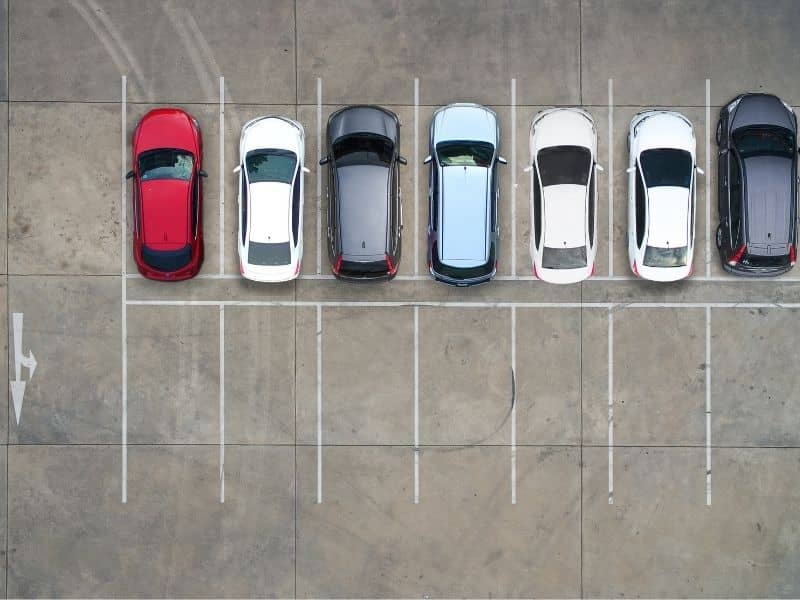
Shared parking looks simple until someone tries to sell, refinance, or expand a property. A parking lot might quietly spill onto the lot next door. It might depend on an easement nobody has checked in twenty years. Either problem can turn a closing into a mess of last-minute questions.An ALTA land survey is built to catch these problems early. It shows where parking really sits compared to parcel lines, easements, and title documents. It does not just show where the painted lines end. Retail centers, medical offices, and mixed-use developments often share parking across two or more lots. That makes this kind of check even more important.This article explains how an ALTA survey handles parking that crosses parcel lines. It also covers what the survey records and what you should check before you sign anything.
Identify Parking Areas That Extend Beyond Parcel Limits
The first job of an ALTA land survey is simple. It finds the real boundary lines of a property. Then it compares those lines to where the parking, drive aisles, and striping actually sit on the ground.Parking that spills past a parcel line is not rare. It often happens slowly. A lot may have been paved to match the property next door. Or an older survey may have used boundary data that does not match today’s records.When this happens, the issue can become important during lender review, because lenders may want to understand whether required parking, access, or site improvements depend on land outside the parcel being financed. During this step, a surveyor will:
Find the property’s boundary corners and lines in the field
Map the real edges of pavement, curbs, and striped spacesMark any spot where parking crosses onto the neighboring parcel
Note problems in both directions, since a neighbor’s parking can cross onto your land too
Catching this early gives buyers, lenders, and title companies a clear picture before closing. Nobody wants to find a boundary problem after the deal is already done.
Review Easements Affecting Shared or Cross-Parcel Parking
Many commercial properties in Dothan use recorded easements to allow shared parking, cross access, or joint driveways between neighboring lots. An ALTA survey checks these easements and shows exactly where they sit on the ground.An easement gives someone the legal right to use part of a property for one specific purpose, without owning that land. A reciprocal parking easement, for example, might let two businesses next to each other share one lot, even though each owns a separate parcel.The survey should confirm:
Whether the recorded parking or access easement actually matches the current parking layout
Whether parking spaces sit inside or outside the easement linesWhether any shared drive or cross-access easement is being used the way it was meant to be
Whether an easement named in the title documents still exists, was ever recorded, or has expired
If parking depends on an easement that is unclear, outdated, or missing from the record, buyers and lenders need to know that before the property changes hands. Not after.
Document Parking Improvements on the ALTA Survey
Once the boundaries and easements are clear, the survey documents the parking itself. This step is not just paperwork. Lenders, title companies, and buyers use it to confirm a property really has the parking it claims to have, and that the parking sits where it is legally allowed to be.A thorough ALTA survey usually documents:
Total striped parking spaces, including standard and accessible spots
Drive aisle widths and traffic flowCurb cuts, entrances, and access points from the public street
Any parking that falls inside a flood zone, drainage easement, or utility corridor
Many properties must meet a set parking count tied to zoning rules or a lease. So this documentation really matters. If the survey shows fewer usable spaces than expected, because some sit outside an easement or cross onto a neighbor’s lot, that can lower a property’s value or put it out of code.
Compare Parking Layouts With Title and Site Information
An ALTA survey is not built alone. It works alongside a title commitment. Part of the surveyor’s job is comparing what the title paperwork says against what actually exists on the ground.This step often shows a gap between paper and reality. A title commitment might list an easement using a legal description that no longer matches how the parking is actually used. Or it might mention a shared parking deal that was never properly recorded against the property.During this comparison, a surveyor usually checks:
Whether the easements listed in Schedule B of the title commitment show up correctly on the survey
Whether the property’s real parking layout matches what the recorded documents describeWhether any unrecorded parking deal is visible on the ground but missing from title
Whether neighboring parcels show easement claims that conflict or overlap
This is where a survey earns its keep during due diligence. It does not just draw a picture. It tells a buyer or lender whether the paperwork and the real property actually agree.
Address Parking Conflicts During Commercial Due Diligence
When a survey finds a parking conflict, timing matters a lot. Finding it during due diligence gives a buyer real options. Finding it after closing usually means a lawsuit, a hard negotiation, or an expensive redesign.Common next steps once a conflict is found include:
Working out a new or amended easement before closing
Lowering the purchase price to match the reduced usable parkingAsking the seller to fix an encroachment before the deal moves forward
Adding contingencies to the purchase agreement tied to the survey results
These steps can look different depending on the lender, title company, city or county, and the terms of the purchase agreement. If your deal’s timeline depends on fixing a parking or easement issue, raise it with your surveyor and title company as early as you can. Do not wait until closing week.